
Why Water Backs Up in Your Laundry Room Drain
Laundry drain backups in San Diego almost always trace back to lint, soap scum, or a blocked main line. Here's how to tell which one you're dealing with.
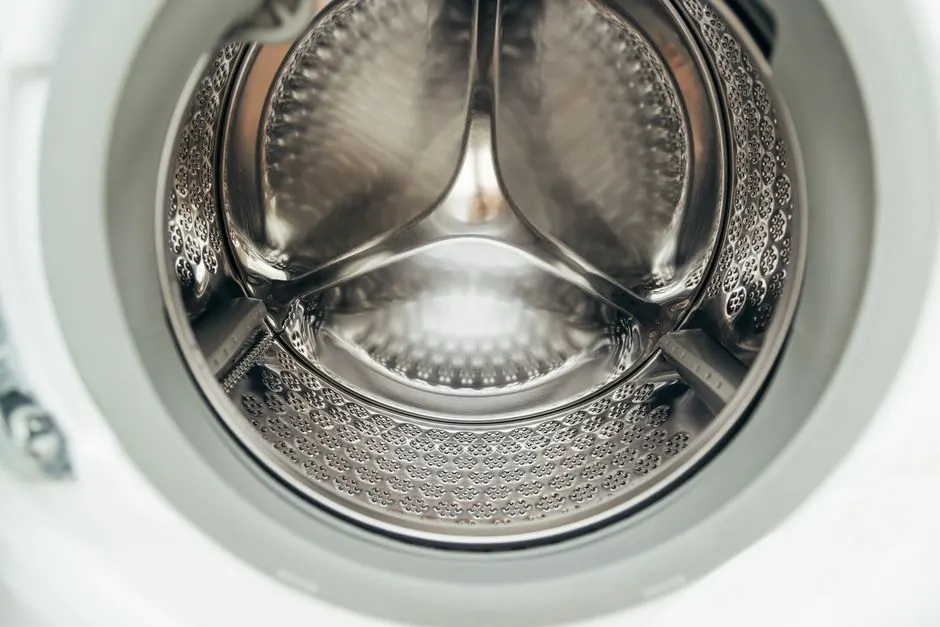
Water backs up in your laundry room drain because the drain can't move water out as fast as your washing machine pumps it in. That happens for one of three reasons: a clog in the standpipe or P-trap, a partially blocked branch line, or a main sewer line that's already full. The fix depends entirely on which one you have, and the symptoms are different for each. This post walks through what we see on service calls across San Diego, how to tell the three apart in about five minutes, and when a drain cleaning pro needs to step in.
The short answer: why laundry drains back up
A laundry drain backup in San Diego is a flow problem, not a mystery. Your washer discharges 15 to 30 gallons in a 2-to-3-minute drain cycle. A 2-inch standpipe can handle that easily when it's clear. When it's restricted - by lint, soap residue, or a downstream blockage - the water has nowhere to go and rises out of the standpipe onto your floor.
If the backup happens only during the spin/drain cycle and clears on its own, the clog is close: standpipe, trap, or the first few feet of branch line. If water also backs up into a nearby floor drain, utility sink, or shower, the blockage is further down the line. If it comes up in a toilet or tub on the other side of the house, you're looking at the main.
How a laundry drain system actually works
Your washing machine drain is one of the simplest plumbing assemblies in the house, which is why problems are usually easy to pin down once you know the parts.
- Discharge hose - the corrugated hose on the back of the washer. It hooks over the standpipe and dumps water in a hard, fast burst.
- Standpipe - the vertical 2-inch pipe behind the washer. Code requires it to rise at least 18 inches above the trap weir and no more than 42 inches.
- P-trap - the U-shaped fitting that holds a water seal and blocks sewer gas.
- Branch line - the horizontal run that ties the laundry into the main stack.
- Main sewer line - the 4-inch line that carries everything from the house to the city sewer or septic tank.
When all five are clear, water moves through in seconds. When any one of them is restricted, the washer's discharge rate outpaces the drain's capacity and you get a flood.
The six most common causes we find in San Diego
After thousands of laundry room calls in San Diego, the causes fall into six buckets. Here's what each one looks like and how often we see it.
1. Lint and detergent buildup in the standpipe
Lint escapes the washer's filter, mixes with detergent residue, and coats the inside of the standpipe and trap. Over 2 to 4 years it narrows a 2-inch pipe to less than an inch. This is the single most common cause we find - probably 4 out of 10 laundry backups.
2. Soap scum and fabric softener
Liquid fabric softener and high-efficiency detergent leave a waxy film that grabs lint and hair. Cold-water washing makes it worse because the soap doesn't fully dissolve. If you wash mostly in cold water, expect a softer, greasier clog than a hot-water household.
3. A blocked P-trap
The trap is where solids settle. A trap clog usually backs water up fast - within 30 seconds of the drain cycle starting - and clears slowly. You'll often hear gurgling from the standpipe after the cycle ends.
4. A partially blocked branch line
If the laundry shares a branch with a utility sink or floor drain, a clog there will show up in both fixtures. Water rises in the standpipe and the floor drain at the same time. This is common in older San Diego homes where the laundry was added to an existing 1.5-inch branch that was never upsized.
5. Main sewer line blockage
A main line clog is the worst-case scenario. The washer is often the first fixture to announce it because it dumps water faster than anything else in the house. If your laundry backs up and a toilet or shower also drains slowly, the main is the problem. Root intrusion, collapsed clay pipe, and heavy grease accumulation are the usual culprits.
6. Venting problems
A blocked or improperly installed vent stack traps air in the drain. Water can't flow past an air lock, so it backs up the standpipe. You'll notice this as a slow, sputtering drain rather than a full flood. It's more common in homes where a remodel moved the laundry without re-venting.
Why does water back up in my laundry room drain in San Diego?
San Diego's water is hard - 12 to 16 grains per gallon in most of the county - and that changes what laundry drain clogs look like here. The calcium and magnesium in our water bind with soap to form a denser scale than you'd get in softer-water cities. That scale lines the standpipe and trap, then grabs lint and softener residue. The result is a clog that builds up faster and sits lower in the pipe than a typical lint plug.
We also deal with a lot of older housing stock. In neighborhoods like North Park drain cleaning, many homes still have original cast iron or clay drain lines from the 1920s through the 1950s. Those pipes are rough on the inside, which gives scale and debris something to grab onto. A 70-year-old cast iron laundry branch that was fine in 1985 is often half-blocked today.
Coastal neighborhoods add another variable. In Pacific Beach drain cleaning, salt air accelerates corrosion on cast iron and galvanized pipe, and the sandy soil shifts more than inland clay. We see more root intrusion and offset joints within a few blocks of the ocean than we do five miles inland.
What causes washing machine drain clogs in San Diego?
Washing machine drain clogs in San Diego come down to what goes down the drain and what the pipe can handle. The washer itself is rarely the problem - it's the combination of discharge volume, water chemistry, and pipe condition.
Three things push a marginal drain over the edge:
- High-efficiency washers on old drains. Modern HE machines use less water per load but discharge it faster. A 2010s washer can empty in 90 seconds what a 1995 model took 3 minutes to drain. Older 1.5-inch laundry branches weren't sized for that.
- Too much detergent. HE detergent is concentrated. Using the full cap in a high-efficiency machine leaves undissolved soap that coats the pipe. Half a cap is usually plenty.
- No lint filter on the discharge hose. Most washers don't have one. A $15 inline lint trap on the discharge hose catches a surprising amount of debris before it hits the standpipe.
If you've got a slow laundry drain and you're not sure whether it's the branch or the main, a sewer camera inspection san diego CA settles it in about 20 minutes. We run a camera down the cleanout and see exactly where the restriction is, how bad it is, and what's causing it.
How to fix a laundry drain backup in San Diego CA
How you fix a laundry drain backup depends on where the clog is. Here's the order we work in, from simplest to most involved.
Step 1: Stop running the washer
Don't run another load until the drain is clear. Each cycle pushes more water into a pipe that's already full, and on a main line clog it can push sewage into other fixtures.
Step 2: Check the standpipe and trap
Pull the discharge hose out of the standpipe. If the standpipe is full of standing water, the clog is at or below the trap. If it's empty and the backup only happens during the drain cycle, the clog is further downstream.
Step 3: Try a drain snake on the trap
A hand snake or a 25-foot drum auger will clear most standpipe and trap clogs. Feed it in until you feel resistance, then crank through. Don't use chemical drain cleaner first - it makes the clog softer and harder to grab with a snake, and it's rough on older pipes.
Step 4: If the snake doesn't clear it, the clog is in the branch or main
This is where most DIY attempts stop. A 25-foot hand snake won't reach a branch line clog 30 feet from the laundry, and it definitely won't touch a main line blockage. At this point you need a powered auger or hydro jetting san diego CA, which uses 3,000 to 4,000 PSI of water to scour the pipe wall clean rather than just punching a hole through the clog.
Step 5: Confirm the line is clear and check for damage
Once the clog is out, we run water through every fixture on the same branch to confirm flow. On older lines we also run a camera to check for cracks, root intrusion, or bellies that will cause the same backup again in a few months.
Common mistakes that make it worse
We see the same four mistakes over and over on laundry drain calls, and each one turns a $200 fix into a $2,000 repair.
- Pouring chemical drain cleaner first. Caustic cleaners generate heat and can crack older cast iron or soften PVC joints. They also turn a solid clog into a sludge that's harder to remove mechanically.
- Running the washer again to "see if it clears." On a main line clog, that pushes water and sewage into other fixtures. On a trap clog, it just floods the floor again.
- Using a short hand snake on a main line clog. A 25-foot snake in a 60-foot main line does nothing except waste an afternoon.
- Ignoring a slow drain until it floods. A laundry drain that drains in 45 seconds instead of 15 is already 70% blocked. Fix it then, not after the water hits the drywall.
When to call a professional
Call a professional when the backup involves more than one fixture, when a hand snake doesn't clear it in 15 minutes, or when the drain has backed up more than twice in a year. Those three signals mean the clog is past the trap and you need powered equipment and a camera to fix it properly.
Our team at Drain Cleaning Experts San Diego handles laundry drain backups every day, from single-family homes in Clairemont drain cleaning to multi-unit buildings downtown. We find the clog, clear it, and run a camera to confirm the line is clean before we leave. If the pipe is damaged, we tell you what it will cost to fix before we start - no surprises on the invoice.
For laundry drains specifically, we usually start with a powered auger through the cleanout, then follow with hydro jetting if the pipe has heavy scale or grease. Most laundry backups clear in a single visit. If the line is root-infested or collapsed, we'll show you the camera footage and walk you through repair options.
Frequently Asked Questions
Why does water back up in my laundry room drain in San Diego?
Water backs up because the drain can't keep up with the washer's discharge rate. In San Diego, hard water scale plus lint and detergent residue narrows the standpipe and trap over 2 to 4 years. If a toilet or shower also drains slowly, the main sewer line is likely blocked.
How do I fix a laundry drain backup in San Diego CA?
Stop the washer, pull the discharge hose, and check whether the standpipe holds water. If it does, snake the trap with a 25-foot auger. If the standpipe is empty but the backup happens during the drain cycle, the clog is downstream and needs a powered auger or hydro jetting - usually a 1 to 2 hour service call.
What causes washing machine drain clogs in San Diego?
The top three causes are lint and detergent buildup in the standpipe, soap scum from cold-water washing, and hard-water scale from San Diego's 12 to 16 grain water. Older cast iron and clay branch lines make all three worse because the rough interior grabs debris.
Can a clogged main line cause laundry backup in San Diego?
Yes - and it's the most serious cause. The washer dumps 15 to 30 gallons in under 3 minutes, faster than any other fixture, so it's often the first to back up when the main is blocked. If a toilet, tub, or floor drain also backs up, call a drain cleaning pro right away.
When should I call a drain cleaner for laundry backup in San Diego?
Call when more than one fixture backs up, when a hand snake doesn't clear the line in 15 minutes, or when the same drain has backed up twice in 12 months. Those point to a branch or main line clog that needs powered equipment and a camera inspection.
Get help with drain cleaning in San Diego
If your laundry drain is backing up and you've already tried a snake, it's time to bring in the equipment that actually clears the line. We handle laundry drain backups across San Diego with same-day service and upfront pricing.
Call Drain Cleaning Experts San Diego at +1 (619) 927-8567 and we'll get your laundry room draining properly again.