
How Tree Roots Damage Sewer Lines in Older San Diego Homes
Tree roots crack into aging clay and cast iron sewer pipes through joints and hairline fractures, then grow into full blockages. Here is how it happens and what to do.
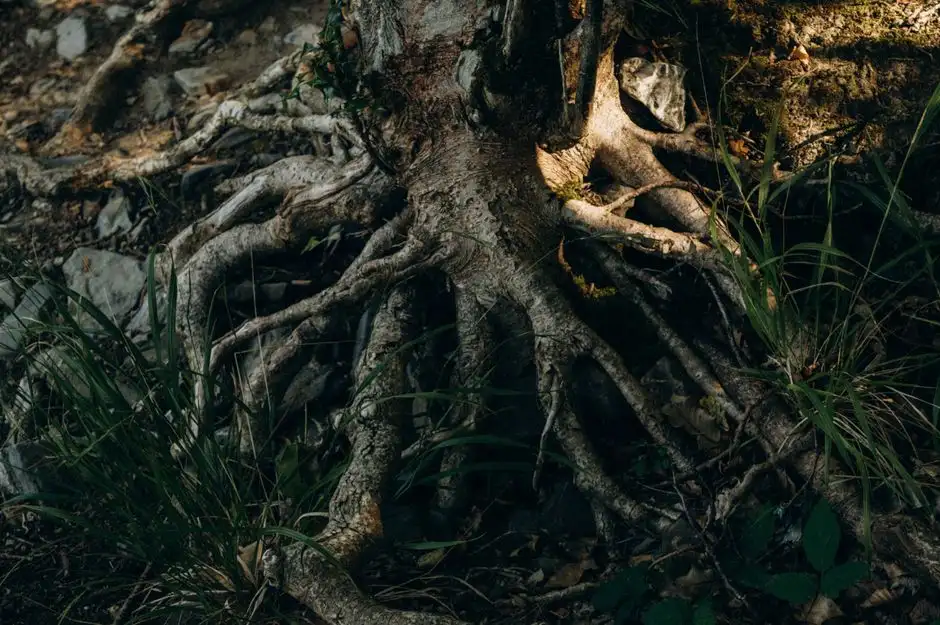
Tree roots damage sewer lines in older San Diego homes by entering through the pipe's joints, cracks, and loose fittings, then expanding inside the pipe until wastewater can no longer pass. The roots themselves do not break a healthy pipe - they exploit a pipe that is already failing, and in pre-1970s neighborhoods like North Park, South Park, and Hillcrest, that describes most of the lateral lines running under the front yard. How tree roots damage sewer lines in older San Diego homes is really a story about aging clay pipe, mature ficus and eucalyptus roots, and 60 to 90 years of soil movement. This post covers why it happens, the warning signs, what removal and repair cost in 2026, and how to stop it from happening again.
Why Older San Diego Homes Are Root Magnets
Older San Diego homes are root magnets because they were built with pipe materials and landscaping that practically invite root intrusion. The typical 1920s-1950s bungalow in North Park or Kensington has a sewer lateral made of vitrified clay or Orangeburg. Clay pipe is brittle and comes in 2- to 3-foot sections joined with mortar or tar - every joint is a potential entry point. Orangeburg, used heavily in the 1940s and 1950s, is made of compressed wood pulp and tar; it deforms under load and collapses outright after 50 to 70 years.
Then there is the landscaping. Ficus, eucalyptus, willow, and California pepper trees were planted close to the house for shade. Their root systems spread 2 to 3 times the canopy width, and they seek moisture. A sewer lateral carries warm water and nutrient-rich waste - a tree finds it within a season or two.
We see this pattern block after block. If you own one of these homes, the pipe under your yard is likely 60+ years old, and the tree above it has had decades to work its way in. For homeowners dealing with the resulting backups, our drain cleaning san diego CA service is often the first call - but the real fix starts with understanding the pipe.
How Tree Roots Actually Get Into a Sewer Line
Tree roots get into a sewer line through the smallest opening - a hairline crack, a failed joint, or a loose connection - and then grow from the inside out. The process has four stages:
- Moisture detection. Roots grow toward water vapor escaping from a failing joint. A 1/16-inch gap is enough.
- Entry. A single root hair pushes through the gap. Once inside, it branches into thousands of fine feeder roots.
- Expansion. The root mass grows, catches toilet paper, grease, and wipes, and forms a blockage. The pipe may still drain - slowly.
- Structural failure. As the root thickens, it widens the crack or lifts the pipe sections out of alignment. Now you have a broken lateral, not just a clog.
Clay pipe is especially vulnerable because the mortar joints degrade. Cast iron from the 1950s and 1960s is more resistant but still rusts through at the bottom of the pipe, and roots find those pits. PVC, standard since the 1970s, is the most root-resistant - but even PVC fails at poorly glued joints.
In San Diego's older neighborhoods, we routinely find roots 10 to 20 feet into a lateral, with a root ball the size of a basketball at the entry point. That is not something a plunger or store-bought drain cleaner touches.
Warning Signs You Have Root Intrusion in Your Sewer Line
Warning signs of root intrusion in a sewer line show up gradually, then all at once. The earliest clues are easy to dismiss:
- Multiple slow drains. If the kitchen sink, bathroom sink, and tub all drain slowly at the same time, the blockage is in the main line, not a single fixture.
- Gurgling toilets. A toilet that gurgles when you run the washing machine is air trapped behind a partial blockage.
- Sewage smell in the yard or house. A damp, foul patch of grass along the sewer route is a strong signal.
- Backups in the lowest drain. Floor drains and shower drains in ground-floor bathrooms back up first.
- Repeat clogs every 3 to 6 months. If you are snaking the same line twice a year, roots are regrowing.
By the time you see sewage backing into a tub, the line is usually 70 to 90 percent blocked. That is the point where most people call us - and it is also the point where a simple snaking may no longer be enough.
How Do I Know If Tree Roots Are in My Sewer Line in San Diego CA?
The only way to know for certain is a camera inspection. A plumber feeds a fiber-optic camera through a cleanout or roof vent and records the inside of the pipe. You see the roots, the cracks, the offset joints, and the exact distance from the cleanout to the problem. We recommend a sewer camera inspection san diego CA any time you have repeat clogs, a home older than 1970, or a real estate transaction on the line.
What the camera shows determines the fix. A light root intrusion at one joint might be cleared with a mechanical snake and monitored. A heavy root mass with a cracked clay pipe needs more - either hydro jetting to cut the roots back, or a spot repair or full lateral replacement.
We keep the footage and share it with you. No guessing, no upselling a repair the pipe does not need.
What Root Removal and Repair Costs in 2026
Typical 2026 pricing in San Diego for root-related sewer work breaks down like this:
- Sewer camera inspection: $200-$450, often credited toward the repair.
- Drain snaking to clear roots: $250-$600 depending on access and depth.
- Hydro jetting for tree roots in sewer: $450-$900. This is the better option for roots because 3,000-4,000 PSI water cuts roots flush against the pipe wall instead of just punching a hole through them.
- Spot repair (dig and replace 3-6 feet of pipe): $1,500-$4,500.
- Full lateral replacement (40-80 feet): $6,000-$15,000, higher if the line runs under a driveway, mature tree, or hardscape.
- Trenchless pipe lining: $8,000-$18,000, but it saves the yard and the driveway.
Snaking buys you 6 to 18 months. Hydro jetting buys you longer because it removes more of the root structure. Neither fixes a broken pipe - if the camera shows a crack or a collapsed section, you are looking at a repair, not a cleaning.
Common Mistakes Homeowners Make With Root-Clogged Lines
The biggest mistake is treating a root problem like a normal clog. Store-bought chemical drain cleaners do not kill roots - they burn through the blockage, damage the pipe further, and leave the root structure intact. We have pulled clay pipe out of the ground that was etched and weakened by years of caustic drain cleaner.
Other mistakes we see regularly:
- Snaking the same line every few months. You are cutting the roots back, not removing them. They regrow thicker each time.
- Ignoring a slow drain until it backs up. A slow main line is a warning. A backup is an emergency.
- Planting a new tree over the lateral. We have seen homeowners replace a sewer line and plant a ficus 6 feet from it the same month.
- Skipping the camera inspection. Without it, you do not know if you have a clog or a broken pipe - and the two require completely different work.
If you are dealing with repeat backups in an older home, our sewer line cleaning san diego CA team can clear the line and scope it in the same visit, so you know exactly what you are dealing with.
How to Prevent Tree Roots in Sewer Lines in San Diego
Prevention starts with knowing where your lateral runs. In most older San Diego homes, the cleanout is near the front property line, and the pipe runs straight to the city main under the street. Once you know the route, you can avoid planting anything large within 10 feet of it.
Practical steps that actually work:
- Plant only small, slow-growing species near the lateral. Avoid ficus, eucalyptus, willow, and California pepper.
- Schedule an annual camera inspection if your home is pre-1970 or you have had roots before. Catching a 1/4-inch root is cheap; catching a collapsed pipe is not.
- Use preventive foaming root killer once or twice a year if you have a known history. It slows regrowth but does not replace mechanical cleaning.
- Consider a preventive drain maintenance san diego CA plan if you have a mature tree over the line. Annual jetting keeps the pipe clear and gives you a record of its condition.
- Fix failing joints before roots find them. A camera inspection every few years catches the small stuff.
If you are already seeing slow drains across the house, do not wait for a backup. Roots do not stop growing in winter - San Diego's mild, wet winters actually push more root growth because the soil stays workable and moist.
When to Call a Professional
Call a professional the moment you have two or more slow drains, a gurgling toilet, or a sewage smell in the yard. Those are main-line symptoms, and they do not resolve on their own. If you have already snaked the line once this year and it is clogging again, roots are the likely cause and you need a camera inspection before you spend another dollar on snaking.
Our team at Drain Cleaning Experts San Diego handles root intrusion in older San Diego homes every week - from drain cleaning in North Park bungalows with original clay laterals to drain cleaning in La Jolla properties with mature landscaping over long sewer runs. We scope the line, show you the footage, and give you a straight answer on whether you need a cleaning or a repair.
Frequently Asked Questions
How do tree roots damage sewer lines in San Diego?
Roots enter through joints, cracks, or loose fittings in aging clay or cast iron pipe, then grow into a mass that catches waste and blocks flow. As the root thickens, it widens the opening and can offset or collapse the pipe sections. In older San Diego neighborhoods, this process typically takes 5 to 15 years from first entry to full blockage.
How do I know if tree roots are in my sewer line in San Diego CA?
A sewer camera inspection is the only way to confirm roots. Signs that justify one include repeat clogs every 3 to 6 months, multiple slow drains, gurgling toilets, and sewage odors in the yard. The inspection takes 30 to 45 minutes and costs $200-$450 in 2026.
Can hydro jetting remove tree roots from sewer lines in San Diego?
Yes. Hydro jetting uses 3,000-4,000 PSI water to cut roots flush against the pipe wall and flush the debris out. It removes far more root mass than snaking and typically keeps the line clear 12 to 24 months. It does not repair a cracked or collapsed pipe - that still needs a spot repair or replacement.
How much does tree root removal from sewer cost in San Diego?
In 2026, expect $250-$600 for snaking, $450-$900 for hydro jetting, and $200-$450 for the camera inspection. If the pipe is damaged, spot repairs run $1,500-$4,500 and full lateral replacement runs $6,000-$15,000. Most root-only jobs stay under $1,000.
How to prevent tree roots from entering sewer lines in San Diego?
Keep large trees at least 10 feet from the lateral, avoid ficus and eucalyptus near the pipe, and schedule an annual camera inspection if your home is pre-1970. Preventive foaming root killer twice a year helps slow regrowth. An annual drain maintenance plan is the most reliable option for homes with mature trees over the line.
Get Help With Drain Cleaning in San Diego
If your older San Diego home has slow drains, repeat clogs, or a sewage smell in the yard, the roots are not going to clear themselves. We will scope the line, show you what is in it, and clear or repair it the same visit. Call Drain Cleaning Experts San Diego at +1 (619) 927-8567 and we will get your sewer line moving again.