Grease Trap Cleaning Rules for San Diego Restaurants
San Diego restaurants must pump grease traps on a set schedule, keep manifests on site, and pass city inspections. Here are the actual rules and how to stay compliant.
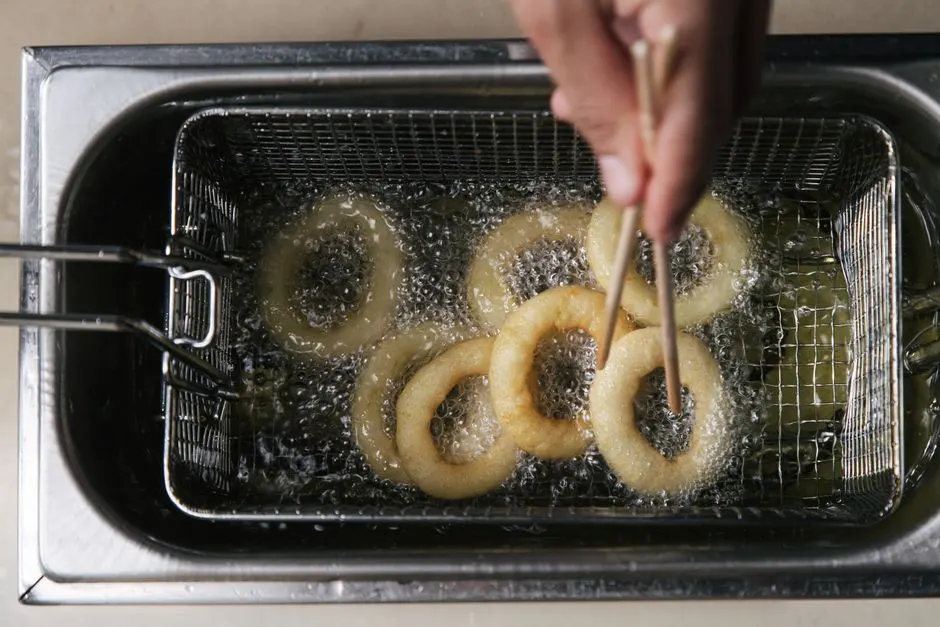
San Diego restaurants are required to keep their grease trap pumped often enough that the combined grease and solids layer never exceeds 25 percent of the trap's total liquid depth - for most full-service kitchens that means every 30 to 90 days, with the exact interval set by trap size, grease volume, and what your inspector sees on the last visit. You must use a permitted hauler, keep the manifest on site for at least three years, and be ready to show it during a city or county inspection. Grease trap cleaning rules for San Diego restaurants are enforced under the city's Fats, Oils and Grease program, and the penalties for ignoring them start with a notice of violation and escalate to sewer surcharges and, in repeat cases, a shutoff order.
This guide covers the actual numbers, the enforcement chain, the paperwork, and the mistakes that get kitchens cited. We run grease trap and kitchen line work across the county every week, so everything below reflects what we see inspectors ask for - not what a generic compliance blog says.
What San Diego Actually Requires of Your Grease Trap
San Diego grease trap regulations are built around one hard number: the 25 percent rule. A grease trap is a plumbing device that separates fats, oils and grease from kitchen wastewater so they never reach the municipal sewer, and it stops working the moment the floating grease cap and the settled solids at the bottom together take up more than a quarter of the trap's depth.
In practice, the requirements break down like this:
- Pumping frequency - set by trap capacity and measured grease volume, not by a fixed calendar. A 1,000-gallon outdoor interceptor at a busy Downtown San Diego restaurant with a full dinner service can hit 25 percent in three to four weeks. A small under-sink unit at a cafe doing lunch only might stretch to 90 days.
- Licensed hauling - grease must be removed by a permitted waste hauler and disposed of at an approved facility. Dumping it in the alley, the storm drain, or the trash is a separate violation with its own fine.
- Records - every pump-out generates a manifest. You keep your copy. Inspectors ask for it.
- Best management practices - no grease down any drain, strainers in every sink, and scraped plates before they hit the dish station. These are written into the ordinance and they are what an inspector checks first.
If you are not sure whether your trap is a small under-sink unit or a full outdoor interceptor, that distinction matters - the two have different service intervals and different failure modes. Our team handles both as part of commercial drain cleaning san diego CA, and we can tell you which one you have within five minutes of walking the kitchen.
How Often Must Restaurants Clean Grease Traps in San Diego?
How often you must clean a grease trap in San Diego depends on the 25 percent threshold, and the only honest answer is: as often as your kitchen fills it. The city does not publish a single universal interval because a 12-seat bakery and a 200-cover steakhouse generate wildly different grease loads. What the city does publish is the measurement standard, and inspectors apply it.
Here is what we see across the county in practice:
- High-volume full-service kitchens - 30 to 45 days. Fryers, grills, and a dish pit running 12 hours a day fill a trap fast.
- Mid-volume restaurants - 60 to 90 days.
- Low-volume cafes, bakeries, coffee bars - 90 to 120 days, and sometimes longer if the menu is light on fried food.
The trap size matters as much as the menu. A 500-gallon interceptor under a Mission Valley restaurant with a weekend brunch rush will need pumping more often than a 1,500-gallon unit at a slower operation. If you want a defensible schedule instead of a guess, measure the grease cap and solids layer monthly with a dipstick and log the reading. When the combined layer hits 20 percent, schedule the pump-out - that gives you a buffer before you cross the line.
One more thing: the interval is not the same as the cleaning. Pumping removes the grease and liquids. It does not scrub the baffles, clear the inlet and outlet tees, or jet the kitchen line downstream of the trap. A trap that gets pumped on schedule but never cleaned will still clog the line, and that clog is what sends sewage into your dining room. That is the part most kitchens miss, and it is why we pair grease trap service with kitchen drain cleaning san diego CA on the same visit.
Who Enforces Grease Trap Regulations in San Diego
Grease trap compliance in San Diego is enforced by the City of San Diego Public Utilities Department through its Fats, Oils and Grease program, with the county Department of Environmental Health able to step in on food-facility and waste-hauling violations. In practice, the two agencies talk to each other, and a serious FOG violation can trigger both.
The enforcement chain usually runs like this:
- Routine inspection - a city inspector visits, checks the trap, asks for manifests, and looks at your kitchen practices.
- Notice of violation - if the trap is over 25 percent, records are missing, or grease is going down the drain, you get written up with a correction deadline.
- Re-inspection - the inspector comes back. If the problem is fixed, the file closes. If not, penalties escalate.
- Surcharges and permits - repeat offenders can be hit with sewer surcharges, and in severe cases the city can restrict or revoke the discharge permit that lets you operate.
Inspectors also respond to complaints. A neighbor who reports grease in the alley or a backup in a shared line can bring an unannounced visit. That is why the kitchens that stay out of trouble are the ones that treat the log and the manifest as part of daily operations, not as paperwork they scramble to assemble when someone knocks.
The Paperwork: Manifests, Logs, and What Inspectors Ask For
Yes, you need to keep grease trap cleaning records in San Diego, and the standard is three years. The manifest from your hauler is the core document - it shows the date, the volume pumped, the hauler's permit number, and the disposal site. Keep the original on site and a scanned copy in the cloud.
Beyond the manifest, the kitchens that pass inspections cleanly tend to keep three more things:
- A pump-out log - a simple sheet or spreadsheet with the date, the grease and solids measurement before pumping, and the hauler's name.
- A maintenance log - baffle cleaning, line jetting, and any repairs to the trap or the kitchen line.
- Staff training records - who was trained on grease handling and when. Inspectors ask, and a signed sheet answers the question in ten seconds.
We hand every restaurant we service a written service record after each visit - date, what we pumped, what we jetted, and what the trap looked like when we finished. It goes in the same binder as the manifests. When an inspector asks, you open the binder. That is the whole system.
What Happens If a Restaurant Fails Grease Trap Inspection in San Diego
A failed grease trap inspection in San Diego starts with a notice of violation and a correction deadline, and escalates from there if the problem is not fixed. The first visit is usually a warning with a firm date. Miss the date and the penalties begin.
What we have seen restaurants face:
- Re-inspection fees - you pay for the city to come back.
- Sewer surcharges - added to your bill based on the strength of your discharge.
- Permit conditions - the city can require more frequent pumping, install monitoring, or restrict what you can discharge.
- Shutoff orders - in the worst cases, a repeat offender can have service restricted until the system is brought into compliance. For a restaurant, that is a closed kitchen.
The cost of staying compliant is small next to any of those. A routine pump-out and line jetting is a line item. A shutoff order is a lost weekend of revenue plus the emergency repair bill to fix whatever caused it. If you are already behind, the fastest path back is to get the trap pumped, get the line jetted, and get the records in order before the re-inspection date. That is exactly the work we do, and we can usually get a kitchen back on schedule within a day or two of your call.
Common Mistakes We See in San Diego Restaurant Kitchens
The same handful of mistakes show up in almost every kitchen we get called to after a violation. None of them are exotic. All of them are avoidable.
- Pumping on a calendar instead of on a measurement. A fixed quarterly schedule feels safe until a busy season doubles your grease load. Measure monthly and pump when the layer hits 20 percent.
- Pumping but never cleaning. The baffles, the inlet tee, and the outlet tee collect grease that pumping does not touch. Left alone, that grease hardens and starts shedding into the line.
- No strainers in the sinks. This is the first thing an inspector looks for and the easiest fix in the building.
- Pouring fryer oil down the drain. It is a violation on its own, and it is the fastest way to fill a trap.
- Losing the manifests. A hauler who pumps but does not leave a record leaves you exposed. Keep your copy.
- Ignoring the kitchen line. The trap is only half the system. The pipe between the sink and the trap is where the clog actually forms.
That last one is why we treat the trap and the line as one job. Grease that leaves the trap and cools in the pipe is what causes the backup, and once it hardens, snaking alone will not clear it - you need high-pressure water. Our hydro jetting san diego CA service scours the full pipe diameter and pulls the grease out rather than punching a hole through it, which is the difference between a fix that lasts a month and one that lasts a year.
When to Call a Professional
Call us when the trap is over 25 percent, when the kitchen sink drains slow at the end of service, when you can smell grease in the dish pit, or when you have an inspection date on the calendar and no recent manifest to show. Those are the four signals that a pump-out alone will not solve the problem.
We handle the full job: pump the trap, scrape and clean the baffles, jet the kitchen line, and leave you a written service record for the binder. If the line is already backed up, we can scope it with a camera to see how far the grease has traveled and whether the pipe has any damage underneath. Restaurants across drain cleaning in Downtown San Diego call us because the older buildings there share long horizontal runs that collect grease faster than a modern layout, and a slow drain in one unit can back up three neighbors.
We also set up a maintenance schedule so you are not making the decision under pressure. A standing pump-and-jet interval based on your actual grease load is cheaper than emergency calls, and it gives you a clean paper trail for every inspection.
Frequently Asked Questions
What are the grease trap rules for restaurants in San Diego?
Keep the combined grease and solids layer under 25 percent of trap depth, use a permitted hauler, keep manifests for three years, and follow best management practices like sink strainers and no grease down the drain. The city enforces these through its Fats, Oils and Grease program.
How often do grease traps need to be cleaned in San Diego CA?
Every 30 to 90 days for most full-service kitchens, based on trap size and grease volume. High-volume fryer-heavy operations may need pumping every 30 to 45 days. Measure the grease layer monthly and pump at 20 percent to stay ahead of the 25 percent limit.
Who enforces grease trap regulations in San Diego?
The City of San Diego Public Utilities Department enforces through its FOG program, and the county Department of Environmental Health can act on food-facility and hauler violations. Complaints from neighbors or backups in shared lines can trigger an unannounced inspection.
What happens if a restaurant fails grease trap inspection in San Diego?
You get a notice of violation with a correction deadline. Miss it and you face re-inspection fees, sewer surcharges, added permit conditions, and in repeat cases a service restriction. Fixing the trap and the line before the re-inspection usually closes the file.
Do I need to keep grease trap cleaning records in San Diego?
Yes. Keep the hauler manifest for at least three years, plus a pump-out log and any maintenance records. Inspectors ask for them during routine visits, and a complete binder answers the question in seconds.
Get Help With Drain Cleaning in San Diego
If your trap is overdue, your kitchen line is slow, or you have an inspection coming up, we can get you pumped, jetted, and documented in a single visit. We work with restaurants across the county on a schedule that matches your actual grease load, not a generic calendar.
Call Drain Cleaning Experts San Diego at +1 619-927-8567 and we will get your kitchen back on the right side of the ordinance.